
Diplomate in Research and Publication Strategy (DRPS)
Master research writing, publication strategies, and high-impact journal submissions
- 12 units · 69 lectures
- 1-year access
- Online, self-paced
- Diplomate certificate
About the course
The Diplomate in Research and Publication Strategy (DRPS) is a comprehensive, flexible, self-paced program crafted for students, researchers, and professionals aspiring to excel in research writing, publication, and strategy. This course seamlessly blends theoretical knowledge with practical applications, empowering participants to master essential skills for publishing in high-impact journals such as Scopus, PubMed, and UGC-Care.
Structured with a project-based approach, DRPS ensures that learners not only gain knowledge but also develop hands-on expertise in manuscript writing, research methodologies, and navigating high-indexing databases. Whether you're looking to enhance your academic portfolio, strengthen your research credentials, or publish groundbreaking work, this program is tailored to guide you every step of the way.
Key highlights
- Learn from national and international experts who bring real-world experience to the table.
- Gain practical exposure through real-world projects and assessments to build a portfolio that stands out.
- Achieve proficiency in research writing, publication strategy, and journal management.
- Enjoy the flexibility of a self-paced learning model, allowing you to join and progress at your convenience.
Course specialization
The Diplomate in Research and Publication Strategy (DRPS) follows a project-oriented structure, ensuring that by the end of the course, you will acquire both theoretical knowledge and practical skills. Additionally, you'll develop a professional portfolio that showcases your expertise as a researcher and publication specialist.
Each unit includes an assessment designed to evaluate your understanding of key topics. These exams combine theoretical and practical components, enabling you to apply learned concepts to real-world scenarios effectively.
Upon successfully completing all units and the final exam, participants will earn the Diplomate certification, a prestigious credential that signifies proficiency in research writing and publication strategy.
Why join this course?
National & International Faculty
Learn from experienced professionals who provide valuable feedback to help you apply best practices and refine your skills in real-time.
Hands-on Experience
Engage in real-world projects to build a robust portfolio that showcases your expertise and increases your career potential.
Career Advancement
Gain in-demand skills for the academic and publishing sectors to advance your research career.
Practical Assessments
Master real-world applications through practical assessments that prepare you for research and publication challenges.
Course top features
Comprehensive Research Training
Master all aspects of research methodology from design to implementation.
Publication Strategy
Learn how to strategically target and publish in high-impact journals.
Research Ethics and Integrity
Understand ethical considerations and maintain integrity in research.
Grant Writing Skills
Develop skills to write successful grant proposals for research funding.
Collaborative Research
Learn strategies for effective collaboration in research projects.
Dissemination and Impact
Maximize the reach and impact of your research findings.
Curriculum
Course Introduction1 topic
- Introduction to the course structure
UNIT 1: Introduction to Research and Ethical Principles7 topics
- Module 1: Introduction to Research Methodology
- Module 2: History and Principles of Research Ethics
- Module 3: Institutional Review Boards and Informed Consent
- Module 4: Ethical Considerations in Research Design
- Module 5: Data Privacy, Confidentiality, and Security
- Module 6: Research in Resource-Limited Settings
- Introduction to Research and Ethical Principles
UNIT 2: Research Design and Methodology9 topics
- Module 1: Overview of Study Designs
- Module 2: Types of Reviews
- Module 3: Matching Study Designs to Research Questions
- Module 4: Subjects and Variables
- Module 5: Sampling Techniques, Sample Size, and Power Analysis
- Module 6: Randomization and Blinding Techniques
- Module 7: Adaptive and Hybrid Study Designs
- Module 8: Enhancing Causal Inference
- Research Design and Methodology
UNIT 3: Developing Research Questions and Literature Review6 topics
- Module 1: Developing a Good Research Question
- Module 2: Conducting a Comprehensive Literature Review
- Module 3: Choosing and Citing References
- Module 4: Avoiding Plagiarism and Maintaining Academic Integrity
- Module 5: Reporting the Research Question in Your Paper
- Developing Research Questions and Literature Review
UNIT 4: Data Collection and Management6 topics
- Module 1: Data Collection Methods and Tools
- Module 2: Digital Tools for Clinical Research
- Module 3: Data Management and Quality Control
- Module 4: Data Privacy, Confidentiality, and Security
- Module 5: Handling Missing Data and Data Imputation
- Data Collection and Management
UNIT 5: Statistical Analysis and Interpretation5 topics
- Module 1 & 2: Introduction to Biostatistics & Statistical Analysis Plan
- Module 3: Statistical Methods for Different Study Designs
- Module 4: Reporting Statistical Analyses
- Module 5: Interpreting Statistical Results
- Statistical Analysis and Interpretation
UNIT 6: Writing Research Protocols and Proposals5 topics
- Module 1: Components of a Research Protocol
- Module 2: Writing the Research Protocol
- Module 3: Regulatory Approvals and Compliance
- Module 4: Budgeting and Funding Proposals
- Writing Research Protocols and Proposals
UNIT 7: Conducting Clinical Trials7 topics
- Module 1: Preclinical Trials
- Module 2: Overview of Clinical Trial Phases and Designs
- Module 3: Selection and Recruitment of Participants
- Module 4: Interventions and Control Groups
- Module 5: Monitoring and Managing Clinical Trials
- Module 6: Collaborative Research and Multisite Trials
- Conducting Clinical Trials
UNIT 8: Scientific Writing and Publishing6 topics
- Module 1: Writing Effective Abstracts and Titles
- Module 2: Structuring the Research Paper
- Module 3: Optimizing Figures, Tables, and Supplementary Materials
- Module 4: The Art of Effective Scientific Communication
- Module 5: Avoiding Selective Reporting and Ensuring Transparency
- Scientific Writing and Publishing
UNIT 9: Manuscript Writing8 topics
- Module 1: Editorial and Expert Opinion
- Module 2: Case Report
- Module 3: Case Series
- Module 4: Narrative Review and Scoping Review
- Module 5: Systematic Review and Meta Analysis
- Module 6: Reporting Guidelines
- Module 7: Reference Managers
- Manuscript Writing
UNIT 10: Navigating the Publication Process7 topics
- Module 1: Choosing the Right Journal
- Module 2: Understanding Journal Metrics and Impact Factors
- Module 3: Preparing Cover Letters and PreSubmission Inquiries
- Module 4: The Peer Review Process and How to Survive It
- Module 5: Dealing with Revisions and Rejections
- Module 6: Open Access and Alternative Publishing Models
- Navigating the Publication Process
UNIT 11: Research Integrity and Scientific Misconduct6 topics
- Module 1: Understanding Scientific Misconduct
- Module 2: Authorship Ethics and Journal Policies
- Module 3: Conflicts of Interest: Identification and Disclosure
- Module 4: How Journals Detect and Handle Misconduct
- Module 5: Reproducibility and Replicability in Research
- Research Integrity and Scientific Misconduct
UNIT 12: Advances and Future Directions in Research9 topics
- Module 1: Innovations in Research Methodologies
- Module 2: Ethics of Artificial Intelligence in Research
- Module 3: Big Data and Its Impact on Research
- Module 4: Open Science and Data Sharing
- Module 5: Collaborative Networks and Multidisciplinary Research
- Module 6: Geographical Considerations in Global Research
- Module 7: Graphical Abstracts and Infographics
- Module 8: Dissemination of Research
- Advances and Future Directions in Research
Practical Sessions and Assessment1 topic
- Hands-on practical sessions and final assessment requirements.
Faculty
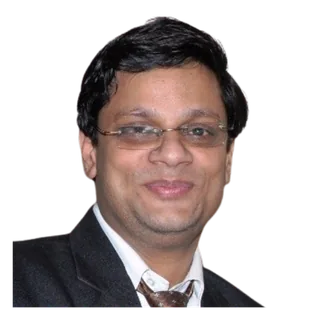
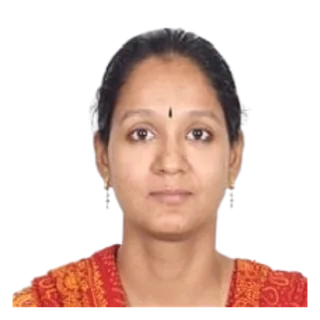
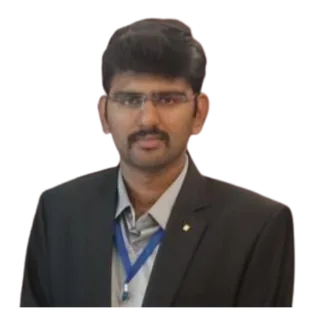
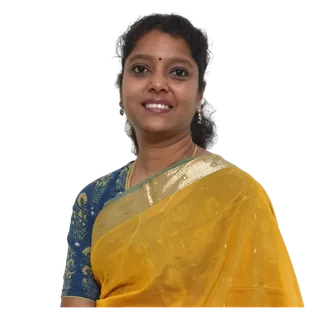
28 national and international experts teach and review work on this program.
























Learner reviews
The course gave an organized, in-depth look at the whole process of doing research and publishing it, from coming up with research questions to dealing with peer review. The lessons were carefully put together, with useful tips and examples from real life that made it easy to understand difficult ideas. I'm now more sure of my ability to plan, write, and turn in good drafts.
 Dr. Suhas KambleDRPS learner
Despite my prior research experience, I struggled with manuscript publication. This course provided in-depth guidance on writing effective abstracts and cover letters. The tips on avoiding common mistakes were especially valuable and eye-opening. I now feel more confident in navigating the publication process.
 Dr. Priyanka ShrivastavaDRPS learner
The lessons in this class were clear, useful, and informative. I took it to improve my study writing skills. Structured lessons and examples from real life helped me understand difficult subjects. This class has made it a lot easier for me to plan, write, and turn in good study papers.
 Dr. Snehal DiwateDRPS learner
This course truly exceeded my expectations. It covered everything from manuscript preparation to managing peer review feedback, making complex concepts easy to understand. I also gained valuable knowledge about ethical publishing practices and strategic planning.
 Dr. Monika ShuklaDRPS learner
As a researcher, I frequently found the publication process overwhelming until I enrolled in the Diplomate in Research and Publication Strategy program. It thoroughly explained everything, from journal selection to responding to reviewer feedback. This training gave me the confidence and clarity I needed to publish.
 Dr. Priyanka BistDRPS learner
In my role as an Assistant Professor, I frequently faced challenges related to the intricacies of publication strategies. This course provided concise, practical guidance — from submitting a manuscript to managing the peer review process. The expert insights equipped me to publish with greater effectiveness and confidence.
 Ms. Komal SharmaDRPS learner
I had a good grasp of my field, but I felt a bit uncertain about the finer details of publication. The course gave me the knowledge I needed to confidently navigate the complex publication process, from submission to post-publication ethics. I definitely suggest it for both new and experienced researchers.
 Dr. Haritha DamarlaDRPS learner
I had no idea where to start when it came to writing research papers before this class. From coming up with research questions to getting a paper ready to send in, the course gave me a solid base. I felt confident enough to send in my first paper because of the clear instructions and useful examples.
 Dr. Anita SinghDRPS learner
It was hard for me to get my works published before I took the Diplomate in Research and Publication Strategy course. I was able to improve my work and the way I sent it in, and the class even taught me how to deal positively with failure and changes. It was more than just a class — it was real mentorship.
 Mr. Lalit KumarDRPS learner
The Diplomate in Research and Publication Strategy course is well structured and practical. It covers each step of research and publication in a way that is easy to follow and apply to my own work.
 Dr. Jyoti PrabhakarDRPS learner
FAQs
What is the structure of the course?
The course is self-paced, consisting of recorded video lectures. After each unit, participants will complete multiple-choice question (MCQ) assignments. At the end, participants need to submit a published research paper to obtain their certificate.
What is the duration of the course?
The course duration is flexible to learn at your own pace.
Who should take this course?
This course is ideal for students, researchers, professionals, and anyone interested in enhancing their skills in research and publication.
How is the course assessed?
It includes MCQ-based assignments at the end of each unit and submission of one project under this course.
What are the technical requirements to access the course?
Participants need a reliable internet connection and a device capable of streaming video content. Standard software for word processing and basic data analysis is recommended.
Is there any certification provided upon completion?
Yes, participants who complete the course and submit a published research paper will receive a globally recognized certification.
How do I submit my published paper at the end of the course?
Upon completing your research and getting your paper published, you will upload it via the course portal. Detailed instructions for submission will be provided towards the end of the course.
What support is available during the course?
Participants can interact with faculty and peers through online discussion boards, webinars, and virtual networking events. Faculty members are available for consultations on assignments and course content.
What happens if I am unable to complete the course within a year?
If you are unable to complete the course within the year, you should contact the program administrators to explore potential options for extension or re-enrollment.
Are there any prerequisites for the course?
Prior research experience or an academic background in a related field is beneficial. As, it is not a strict prerequisite for enrollment.
Can I mention this course on my resume or LinkedIn?
Absolutely! Upon successful completion, you will receive a certificate that you can be add to your CV, LinkedIn profile, or academic portfolio.
Is this course recognized internationally?
This course is ISO Certified and accredited by recognized foreign bodies. Additionally, our institution is partnered with various NAAC-accredited universities, ensuring that the course meets high academic and institutional quality standards. It is considered as a valuable addition to your academic or professional credentials.
Can international students enroll?
Yes, this course is open to Indians and International learners.
How much time should I dedicate weekly?
We suggest approximately 3 to 5 hours per week. Although, the course is flexible, and based on your availability, you can adjust your pace.
Is financial aid or scholarship available?
Yes, we offer financial aid through our philanthropic partner, Sheela Foundation. To apply or learn more, please call us at +91 93198 14840.
Will I get feedback on my assignments or project?
Yes, all submissions are evaluated by experts, and you will receive constructive feedback to help you improve and succeed.
How do I enroll in the course?
Enrollment is done by filling out the application form, submitting the necessary documents, and paying the course fee. After these steps, you will receive login credentials to access the course material.
Download the brochure
Full syllabus, faculty, fees and certification details in one PDF. Enter your details and the download starts right away.









Ready to start DRPS?
Enrol today and start learning immediately on DIGIMED Academy. Questions about fees, scholarships or certification? We reply on WhatsApp.