Publishing research papers is an important part of sharing knowledge and advancing science. However, sometimes papers get retracted, which means they are taken back because of serious issues like mistakes or unethical practices. This can hurt the reputation of the authors and the trust in the research community.
Reasons Behind Research Paper Retractions
Unintentional Mistakes
Like using incorrect data or analysis methods.
Data Fabrication
Making up data to support hypotheses.
Plagiarism
Copying someone else's work without giving credit.
Image Manipulation
Altering images in a misleading way.
Authorship Disputes
Disagreements over who should be listed as an author.
Peer Review Fraud
Using fake reviewers to get positive feedback.
Copyright Issues
Using copyrighted material without permission.
Undisclosed Conflicts
Not disclosing financial or personal interests.
Ethical Approval Issues
Failing to get ethical approval for studies involving people or animals.
The Influence of Retractions on Research Transparency and Integrity
Retractions of research papers can have significant effects on maintaining research integrity. They raise doubts about the reliability of scientific findings, which can harm the reputations of the researchers involved and their institutions. This loss of trust can impact funding opportunities and collaboration within the research community.
While retractions highlight the need for accountability and ethical standards, they also provide valuable lessons for improving research practices. Ultimately, they encourage transparency and foster a culture of integrity in scientific research, reminding everyone involved of the importance of conducting responsible and honest work.
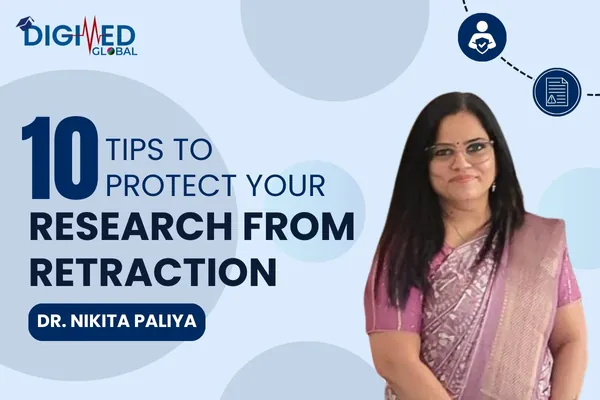
10 Tips to Prevent Research Papers From Being Retracted
By following these tips, researchers can significantly reduce the risk of their papers being retracted and maintain the integrity of their work.
1 Follow Ethical Guidelines
Always adhere to ethical standards in your research, ensuring proper treatment of subjects and honest reporting of results.
2 Perform Pre-Submission Reviews
Conduct thorough reviews and audits of your paper before submission, checking for errors and inconsistencies.
3 Use Proper Data Collection Methods
Follow accurate protocols and ensure an appropriate sample size to maintain data integrity.
4 Avoid Plagiarism
Always credit sources and check for originality using plagiarism detection tools.
5 Cite Authentically
Give credit to other authors and cite reliable research to support your findings.
6 Disclose Conflicts of Interest
Be transparent about any potential biases or ties to funding sources that could influence your research.
7 Acknowledge Limitations
Clearly state any limitations in your study to provide context for your findings.
8 Ensure Reproducibility
Use methods that allow others to replicate your results, enhancing the credibility of your work.
9 Choose Reputable Journals
Submit your work to journals with trustworthy peer review processes (NMC Approved).
10 Conduct Thorough Literature Reviews
Ensure your work is original by reviewing existing literature carefully before beginning your research.
Conclusion
In conclusion, preventing research paper retractions is essential for maintaining the integrity of scientific work. By following ethical guidelines, conducting thorough reviews, ensuring data accuracy, and choosing reputable journals, researchers can safeguard their findings and uphold trust in the research community.
Emphasizing transparency and accountability not only protects individual reputations but also strengthens the overall credibility of scientific literature. By implementing these practices, researchers contribute to a more reliable and ethical scientific environment.
Final Thoughts
Research retractions can have serious consequences for researchers and the scientific community as a whole. However, by being proactive and implementing these protective measures, you can significantly reduce the risk of retraction and contribute to the advancement of trustworthy science.
Remember that maintaining research integrity is not just about avoiding negative outcomes—it's about actively promoting good scientific practices that benefit everyone in the research ecosystem.